August 24, 2011
Side effects of neurotherapy
Neurotherapy is a way to change brain waves that are deviant from a normative population. Some modalities that facilitate this are often stimulating to the client and/or can be fatiguing to the client because of the participation that is needed from the individual to achieve rewards in the session. Therefore, some clients may experience temporary fatigue, light headaches, and mild irritability or drowsiness within 24 hours after a session, due to the reorganization of neuronal networks. These side effects may be a little upsetting for the client. It is important that they be aware of the possible short-term effects of neurotherapy and look forward to the long-term benefits to a more happier, healthier life without medication. CNS Wellness has trained therapists on staff to help our clients with any discomfort they may feel after a session.
August 15, 2011
So what is neurotherapy?
Once an individual has had a brain mapping with CNS and deemed a good candidate for neurotherapy, they can begin their therapeutic program towards taking back their life. Neurotherapy is the process of training the brain and body to function optimally by providing both visual and auditory feedback. This in turn helps to produce healthier mental and physical responses to the environment. The process can include many modalities, some of which have light stimulation, all are non-invasive and pain free. After a program of neurotherapy, most individuals are able to reduce their medication and/or completely come off of it, after speaking with their primary care physician.
August 7, 2011
Fight or Flight!
What if you can do neither of these? Stress is a consequence of the brain's failure to respond appropriately to emotional or physical threats (actual or imagined). The body then goes into a state of alarm, which is initiated by adrenaline production and ultimately creates a short-term resistance to the stimulus as a coping mechanism. As a result of the production of these hormones, common stress symptoms can include irritability, tension, inability to concentrate, headaches and elevated heart rate. When stress is prolonged, or becomes chronic, more severe reactions such as panic attacks and/or psychological trauma, complete physical exhaustion and disease can occur by the over-production of stress hormones.
It is important to recognize the symptoms of both acute and chronic stress and then identify the triggers. When the cause of chronic stress has been determined, an individual can then begin modifying behaviors when responding to stress. Techniques such as biofeedback, meditation, massage, yoga, physical exercise and aromatherapy have scientifically been shown to be very effective in the reduction and elimination of negative behaviors in reaction to stressors. Other modifications of one's diet, increase in sleep (8 hours) and a reduction in caffeine and alcohol consumption have shown to be beneficial as well. With a good support network, it is possible to overcome chronic stress and reduce the risk of psychological disturbance and disease.
When chronic stress has become out of control, depression and anxiety often occur. Depression and anxiety are brain-based disorders and are very receptive to neurotherapy. CNS Wellness, a neurotherapy facility in South Tampa, is very successful in treating these disorders. After a non-invasive brain map, the neuroscientist is able to see where disregulation in the brain is and through various biofeedback-based techniques is able to train away the impairments and the client is left with a more efficient brain that can respond to stress in a more healthy manner.
July 28, 2011
Proper Assessment Insures the Best Treatment
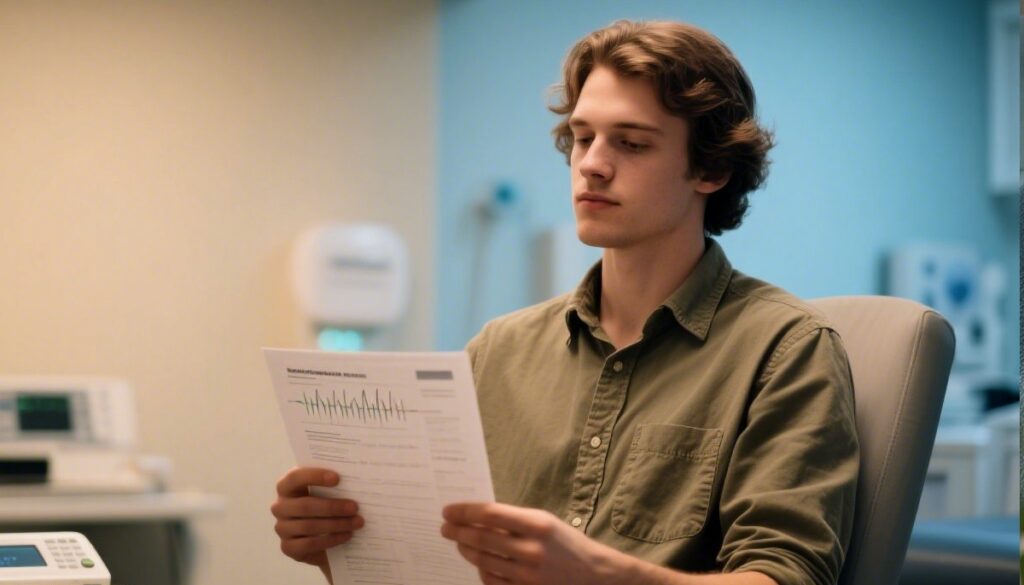
The key to any successful program is proper assessment and diagnosis. Multi-modal neurotherapy has been growing in popularity, and CNS Wellness is the largest provider of this non-invasive, state of the art, medication free treatment, in the Tampa Bay area. This type of treatment uses qEEG, an intricate way to look at your brain's function, as the initial step in assessment. Sensors are placed on the scalp to measure brain waves, and the captured data is compared to a normative population, which aids in identifying areas of impairment that may interfere with cognitive processing speed and with emotional and social functioning. A trained practitioner can see known markers for various brain-based disorders, such as AD/HD, autism, depression, anxiety and even chronic pain. This data, along with other neuropsychological tests, also gives the practitioner a basis on which to make an educated and accurate diagnosis, which results in more effective treatment protocols. CNS Wellness has a very high success rate in treating all of these disorders because the qEEG, along with client feedback, is used as a guide for treatment. It is always recommended that before starting any form of treatment, the client research and make sure their practitioner is certified in their field.